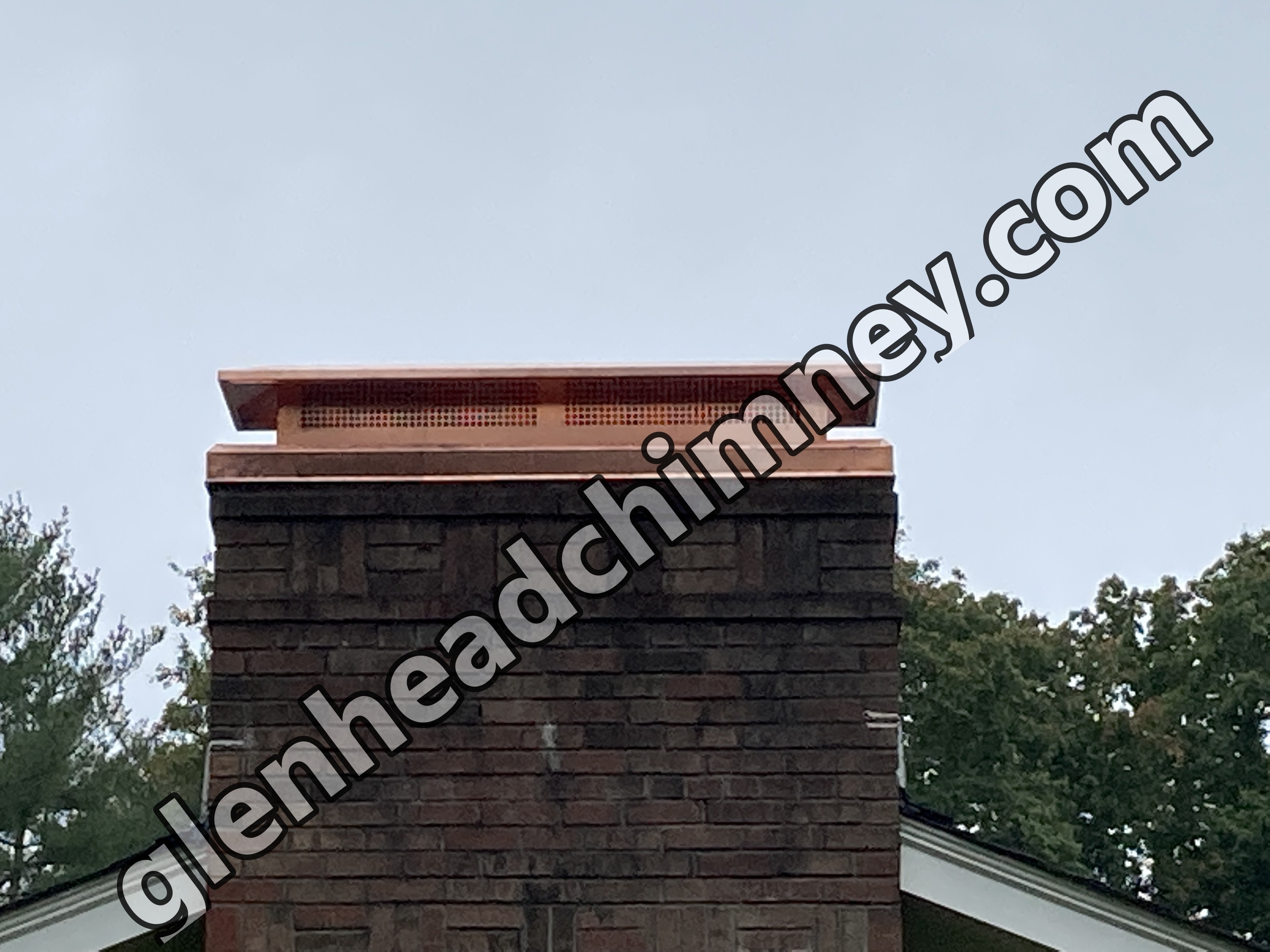
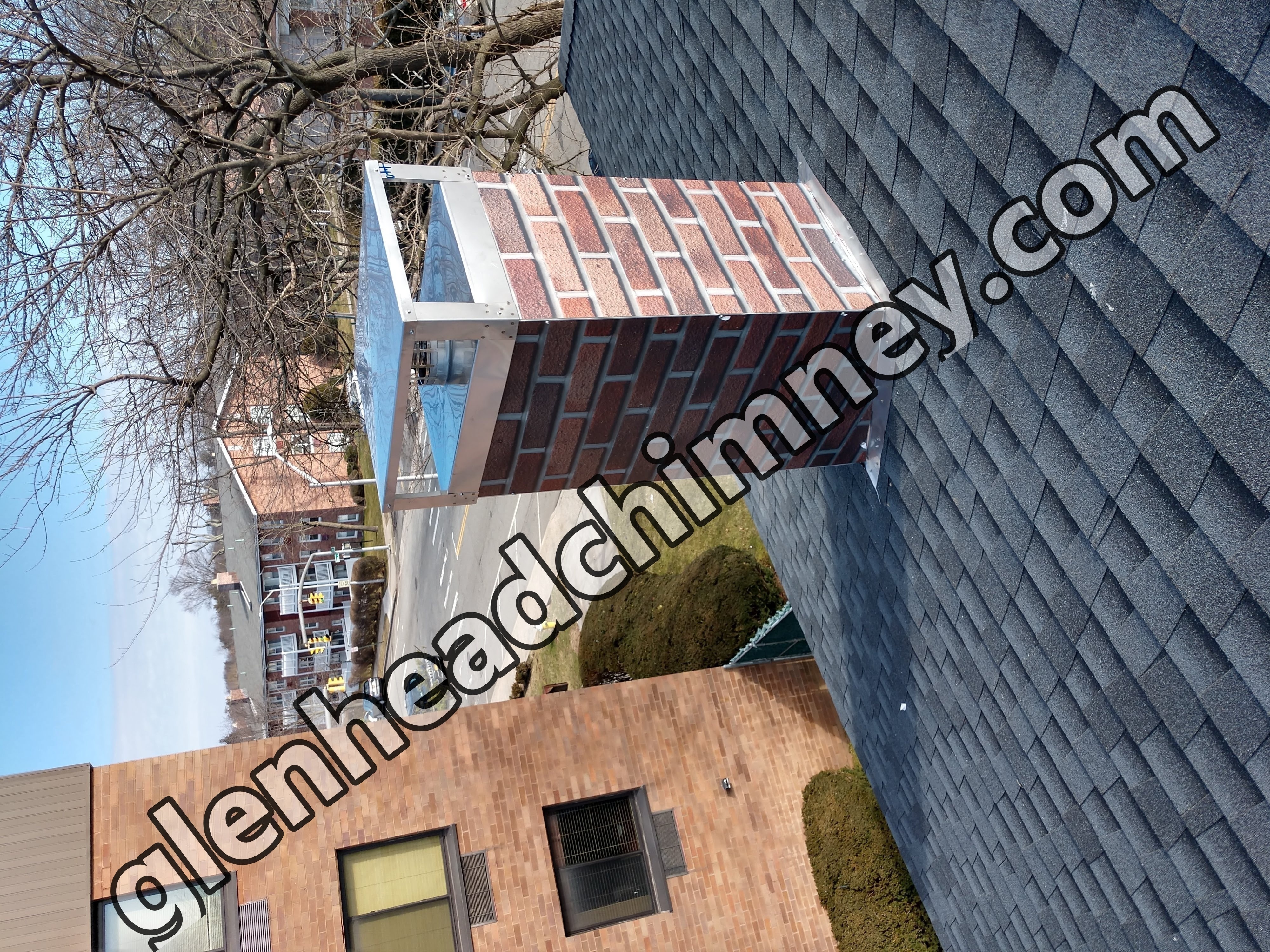
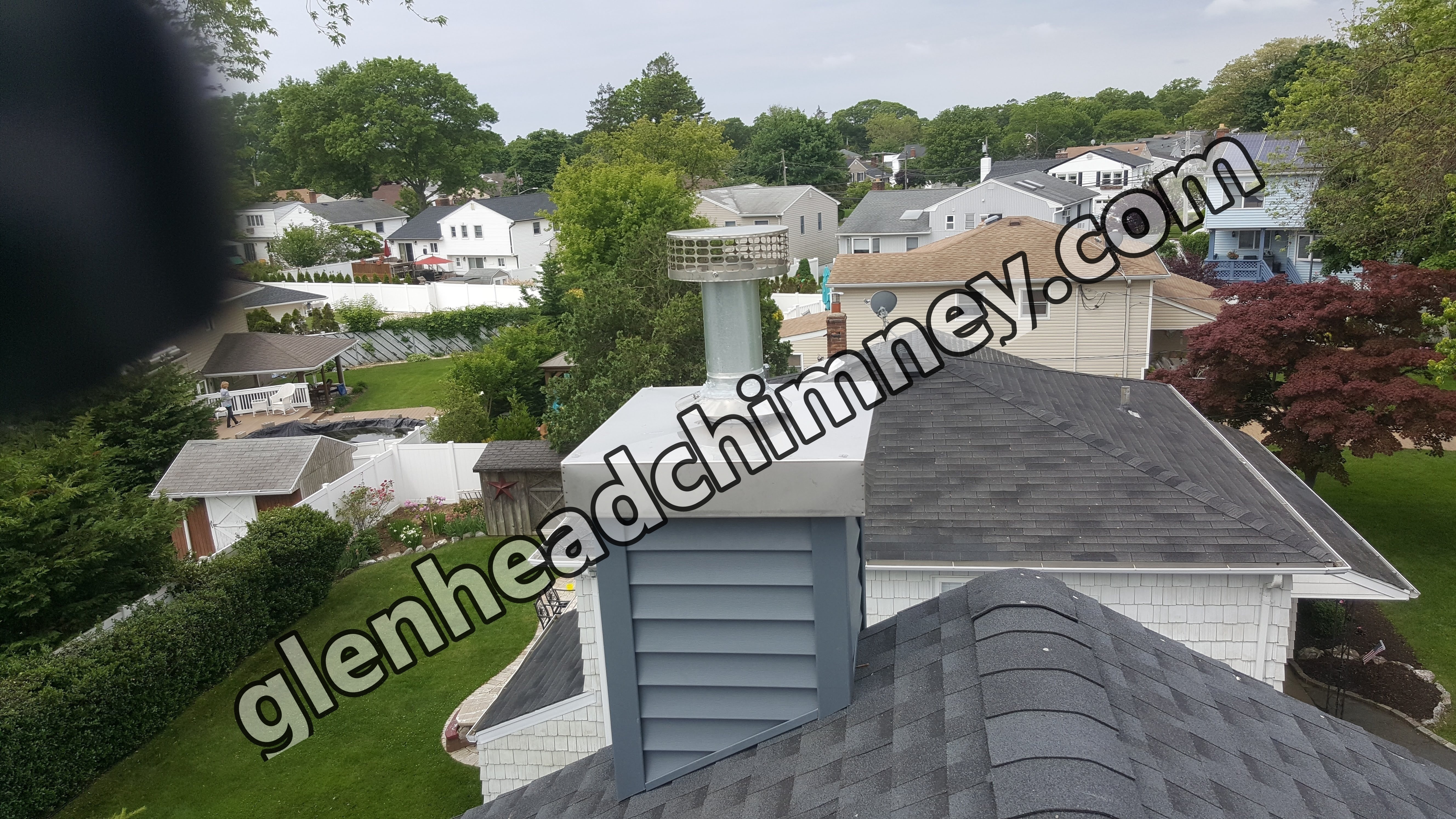
The chimney crown sits at the peak of your home's vertical masonry system, bearing the full force of Glen Head's seasonal weather. This sloped concrete or mortar cap forms a protective barrier that catches rain, snow, and debris before they have any chance to slip down into your flue or damage the masonry underneath. Most homeowners don't think much about their crown until water starts finding its way inside, but by then the repair costs have already multiplied. Residents of Glen Head with older homes know that preventive maintenance pays dividends year after year. The crown is literally where the buck stops for keeping moisture out of your heating system.
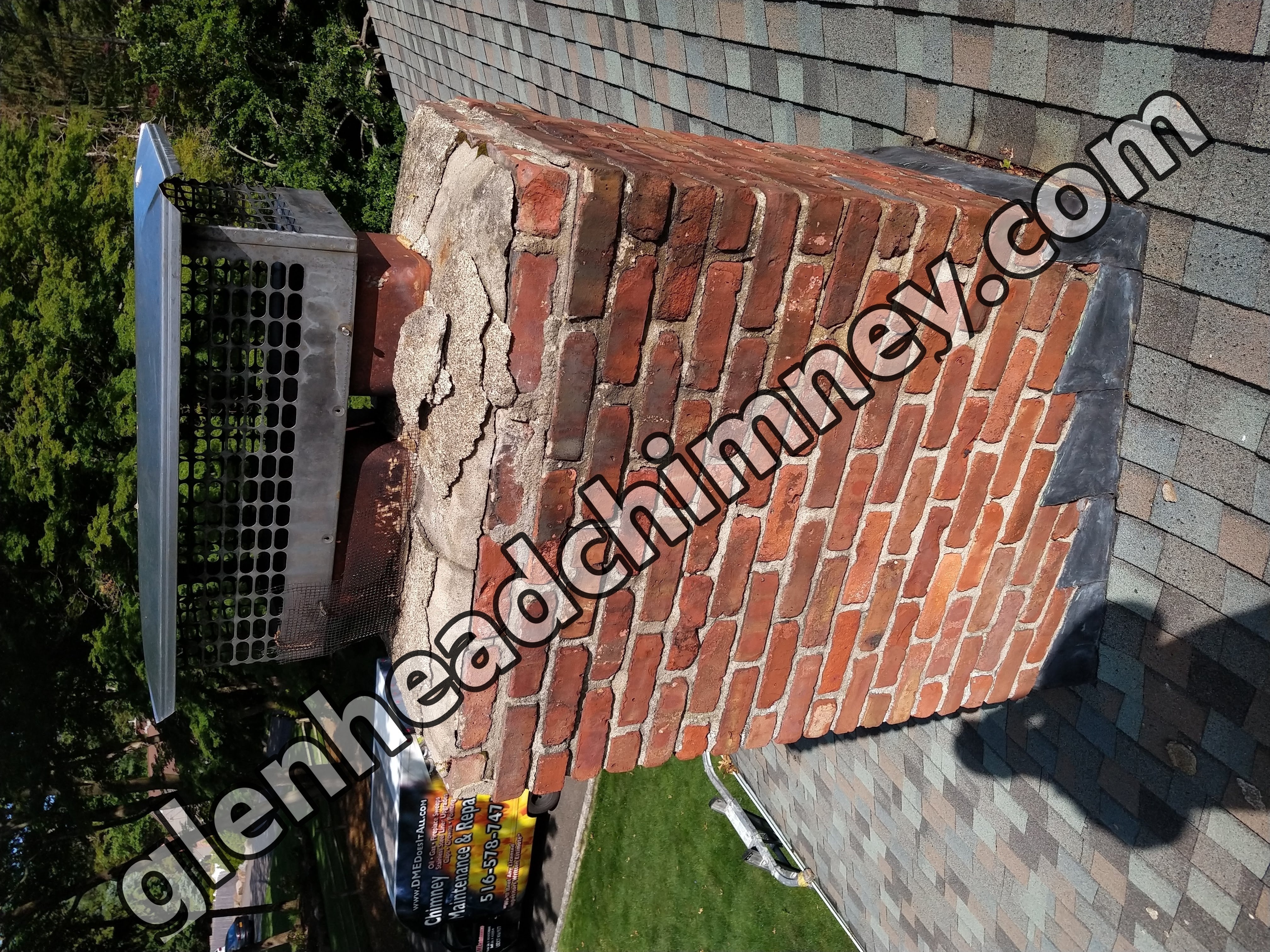
Glen Head homeowners often inherit chimneys that were built decades ago, when crown construction standards were different or sometimes nonexistent. Many crowns on homes in Glen Head were never properly sealed or sloped in the first place. Others have simply aged beyond their useful lifespan and now sport visible cracks that widen with each freeze-thaw cycle. When water gets into those cracks, it seeps down into the flue lining, the damper assembly, and eventually into your furnace or wood-burning fireplace. The damage radiates outward from there, affecting masonry joints, interior dampers, and even the structural integrity of the chimney itself. That's why catching crown damage early matters so much.
Cracks in your chimney crown are the most common problem we address for Glen Head residents preparing for autumn and winter. These fractures start small, barely visible to the naked eye, but they expand every time temperatures dip below freezing. Water enters those cracks during rain or snow melt. Once inside, that water freezes and expands, making the crack larger. The next thaw brings more water deeper into the masonry. This cycle repeats hundreds of times each season on Long Island, which means a tiny crack becomes a serious structural liability within just two or three winters. A crown that looked fine last spring may be dangerously compromised by November.
Water entry through a damaged crown creates problems that spread fast and run deep into your chimney system. When rain hits a cracked crown, it doesn't just sit on the surface. Gravity and capillary action pull moisture down into the mortar bed between the flue tile and the chimney walls. From there, water migrates sideways into the masonry structure itself. You might notice rust stains on your firebox, a musty smell coming from the chimney, or deterioration around the damper. Homes in Glen Head near the water table face even greater challenges because groundwater can migrate upward and exacerbate crown failure. By the time water damage becomes visible inside your home, the crown problem has been working silently for months or years.
The seasonal shift toward autumn and winter makes crown repair urgent for Glen Head homeowners. Rain and snow are about to become frequent, and freezing nights will turn any existing moisture into a destructive force. A crown that's already showing signs of distress will fail completely under winter conditions. That's why we recommend a professional inspection well before the rainy season arrives. Early detection of crown cracks means you can schedule repair on your timeline, not on an emergency basis when water is pouring into your home. Glen Head residents who act in late summer or early fall avoid the panic of dealing with interior water damage when temperatures are dropping and heating season is starting.
Your chimney crown functions as the first line of defense against everything the Long Island climate throws at your home. It's exposed to intense UV radiation, salt spray if you live near Old Brookville or other areas with proximity to Long Island Sound, temperature swings of 50 degrees or more in a single day, and the constant wet-dry-freeze-thaw cycle that defines our regional weather. Unlike the rest of your chimney, the crown has no backup protection. If it fails, water enters directly into the flue system. The crown on homes in Glen Head must be constructed and maintained with that harsh reality in mind. Inspection and timely repair aren't luxuries. They're essential parts of keeping your chimney system functional and your home dry.
DME Maintenance serves every street in Glen Head. We have been cleaning chimneys on Long Island long enough to know exactly what local homes need — from older clay-lined flues in pre-war houses to modern stainless steel liner systems in newer construction.
DME Maintenance has served Glen Head and the surrounding Nassau County, NY area since 2001, and we've rebuilt more cracked and deteriorated crowns than we can count. DME Maintenance understands the specific challenges that Glen Head homeowners face with older masonry and our region's demanding weather patterns. We evaluate your crown for both visible cracks and subtle signs of deterioration that indicate failure is imminent. We assess the slope and drainage pattern to confirm water is being shed away from the flue opening. We check for separations between the crown and the flue tile, gaps that allow water to penetrate sideways into your system. This thorough approach means we catch problems before they become emergencies, and we help residents of Glen Head avoid costly interior water damage.
Don't wait until winter rains expose your crown's weakness. Contact DME Maintenance today at 516-690-7471 to schedule a crown inspection before the season changes. Our licensed team is ready to protect your investment and keep your chimney system working the way it should.